

Methodology & Learning Styles
Every child learns differently. Our job is to teach clearly, practise patiently, and guide each student towards confidence - without confusion or pressure.
Clarity • Participation • Confidence
What You Will See In A Classroom
A clear learning goal (what the child is expected to know/do)
Teacher explanation with examples
Guided practice before independent work
Short checks to see who needs help and who is ready for a challenge
A calm, respectful classroom culture
Pathways By Stage (Short)
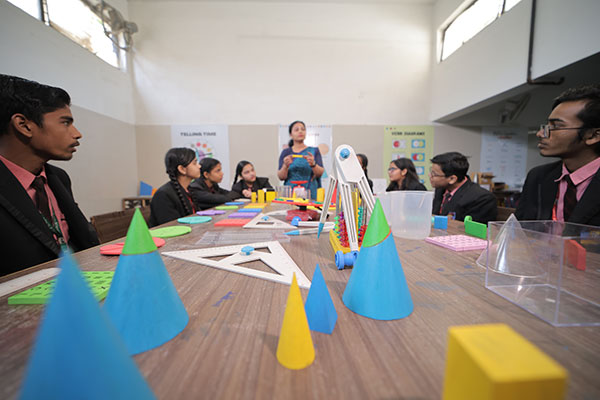
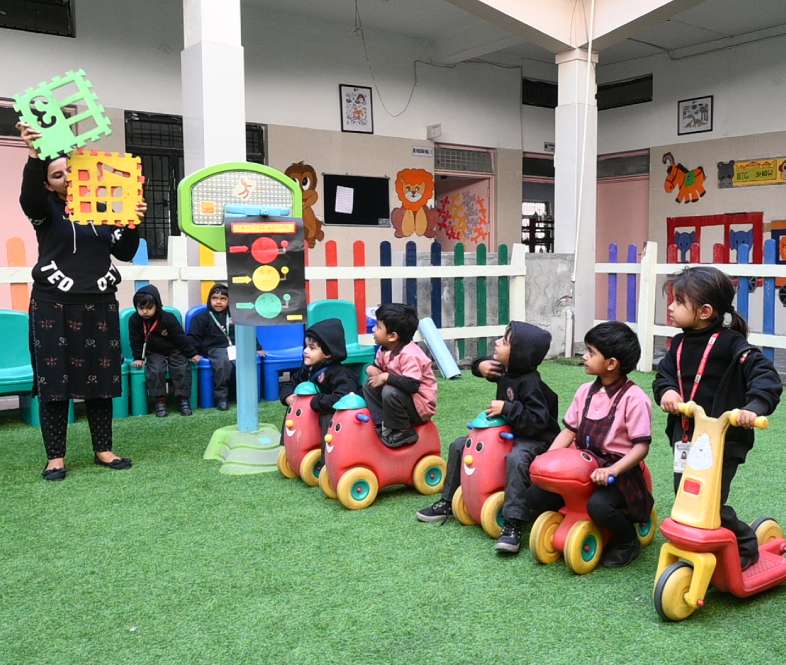
Early Years (Pre-Primary) - Active Learning, Play-Way, Montessori-Inspired
Learning through stories, movement, songs, sensory play, and structured routines
Language development: vocabulary, listening, and expression
Number sense and pattern recognition through play
Social skills: sharing, turn-taking, and independence
Primary (I-V) - Foundations That Last
Speaking opportunities: show-and-tell, story narration, simple presentations
Clear maths explanations + repeated practice to build fluency
Activity-based EVS/science to build curiosity
Activity-based EVS/science to build curiosity
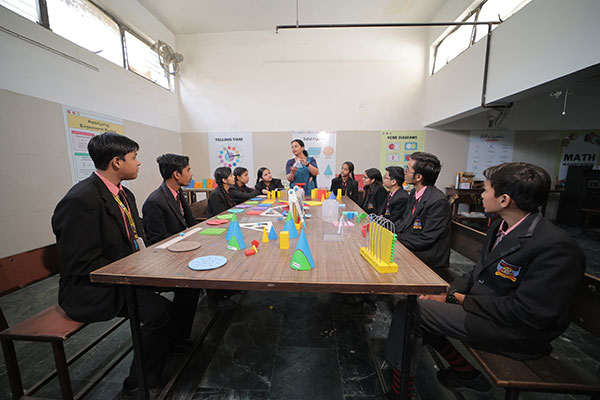
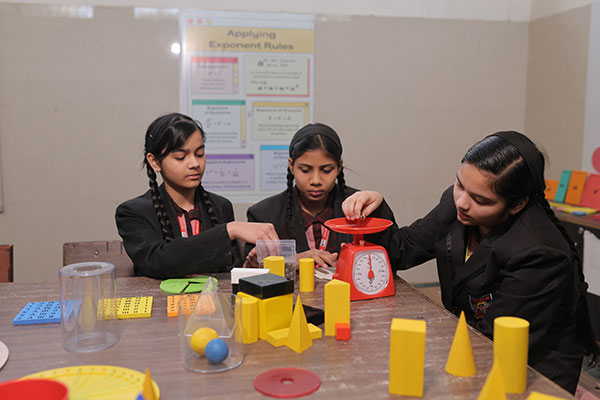
Middle School (Vi-Viii) - Reasoning And Organised Study
Structured notes and concept practice
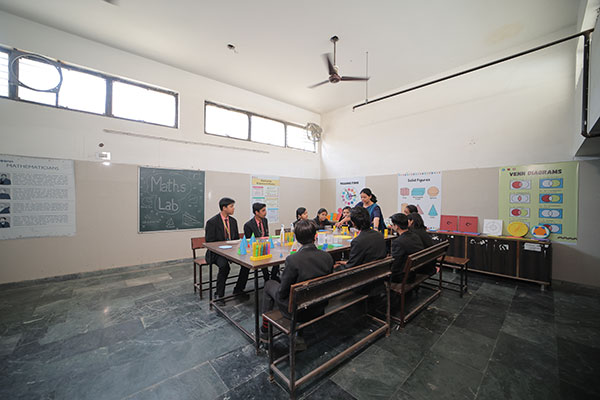
Projects and lab work that connect theory to real life
Debates, group discussions, and writing tasks to strengthen thinking
Study habits coaching: planning, revision, and responsibility
Secondary/Senior (Ix-Xii) - Board Readiness With Calm Discipline
Board-aligned teaching plans and revision schedules
Practice papers, previous-year patterns, and exam strategy support
Strong mentoring: doubt-clearing, extra practice, and feedback cycles
Career-aware guidance through subject choices and goal planning
Home Support
Practice beats weekend cramming)
Encourage reading at home
Ask "What did you practise today?" (not only "What did you score?")
Maintain punctuality and rest - habits drive outcomes
Faqs
No. Worksheets are one tool. Learning also includes discussion, lab work, reading, projects, presentations, and practice.
We re-teach and provide extra practice early. The aim is confidence, not embarrassment.
Through deeper questions, competitions, leadership roles, and extension tasks.
Yes - age-appropriate activities support understanding, especially in early years and primary classes.
No - technology supports explanation, but the teacher leads instruction and guided practice.
By giving support where needed and extension where appropriate - without labelling students.
A fixed routine, short daily reading, and calm practice help more than long hours or pressure.
Microcopy options (use as sidebars / small strips)
- "A repeatable routine reduces exam anxiety."
- "Learning is built through explanation + practice + feedback."