

Technology - Modern Learning, Used With Purpose
Technology works best when it supports clear teaching. At Shivalik, digital tools are used to explain better, practise smarter, and build real skills - safely.
Skill-building • Safety • Purpose
What Technology Means At Shivalik
Smart classrooms support teaching with visuals, examples, and structured practice.
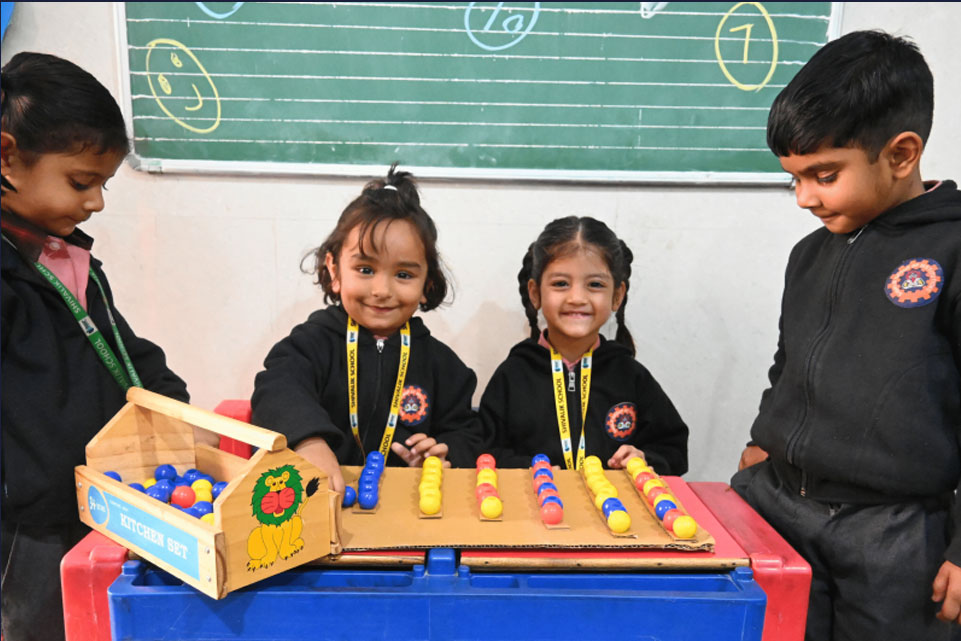
Robotics exposure develops logic, creativity, and problem-solving.
Language lab routines help students improve listening and speaking confidence.

Digital Smart Classes
Concepts are demonstrated visually
Examples are shown step-by-step
Students practise with guidance
Teachers keep the class focused – tech is a tool, not the “lesson”
Robotics & Innovation
Foundations: building, logic, sequencing, and problem solving
Projects are guided and structured – students learn to test and improve


Language Lab
Listening activities to improve comprehension
Speaking practice for pronunciation and confidence
Support for classroom learning and presentations
Digital Citizenship & Safety
Digital Citizenship & Safety
Respectful Communication
Safe Internet Habits
Academic Honesty (No Copying)
Healthy Screen Routines (Age-Appropriate)

Steam & Skill Integration (Age-Appropriate)

Science labs and practical learning
Robotics exposure through guided tasks
Problem-solving and critical thinking routines
Communication skills supported through reading, debate, and presentations
Value Education
Value education at Shivalik is built into daily school life:
- Respectful behaviour
- Responsibility and punctuality
- Honesty in academic work
- Empathy and community service
Assessment
Formative checks: classwork, practice, oral work, notebooks
Periodic assessments: scheduled tests with feedback
Projects/activities: assessed for effort, clarity, and learning, not decoration
Board readiness: revision plans and practice papers for board years
Downloads
ICT Acceptable Use Policy
Digital Citizenship Guidelines
Faqs
No - technology supports teaching, but classroom learning remains teacher-led and practice-focused.
Through supervision, age-appropriate usage, and clear rules for responsible digital behaviour.
If any device requirements exist, list them clearly. Otherwise, keep this section focused on school-provided learning tools.
During visits or school demonstrations; teachers can explain how tools support learning.
Microcopy options (use as sidebars / small strips)
- "Technology is a tool. Teaching is the driver."
- "Digital responsibility is part of modern education."
No. Technology is used in short, purposeful bursts to clarify concepts. Most learning still happens through teacher interaction, writing, practice, reading, discussion, and hands-on work.
Digital skills are built step by step. Teachers guide students in using tools safely and effectively, and the focus stays on learning outcomes - not gadgets.
Teach age-appropriate digital citizenship, monitor usage at school, and keep strong routines. Parents are encouraged to keep simple home rules so children get one consistent message.
No. Robotics can benefit any learner because it builds logical thinking, teamwork, and problem-solving. Activities are designed to be beginner-friendly and confidence-building.
If a policy exists, publish it clearly. In most schools, student phone use is restricted during school hours to protect focus and wellbeing (confirm final policy on the website).