

Examinations And Assessment - Calm, Structured, Fair
Exams should measure learning and guide improvement - not create fear. Our assessment approach balances regular practice, feedback, and planned revision so students feel prepared.
Regular Practice • Planned Revision • Clear Feedback • Board Readiness
Assessment philosophy (learning first)
A strong assessment system answers two questions: What does the student know right now? And what should we do next? At Shivalik, tests and exams are part of a broader learning cycle – concept, practice, feedback, and revision. This keeps improvement steady and reduces last-minute stress.
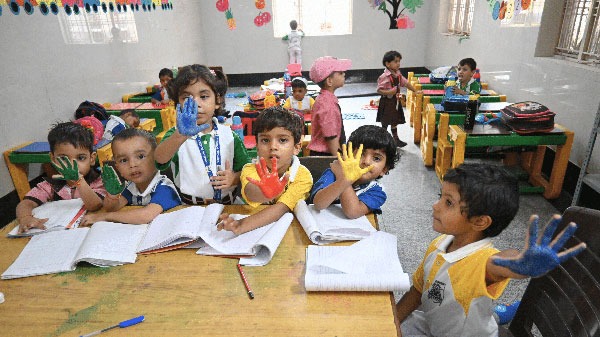
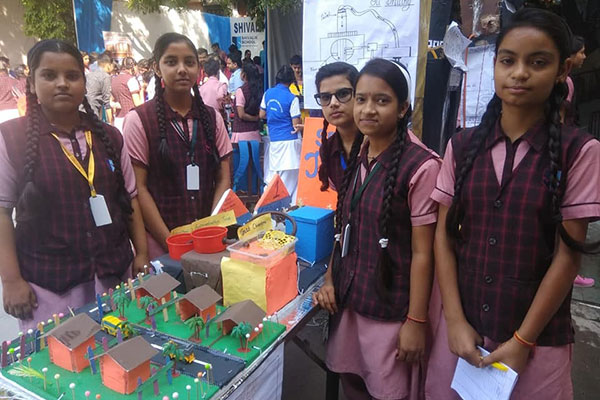
What is assessed (beyond final exams)
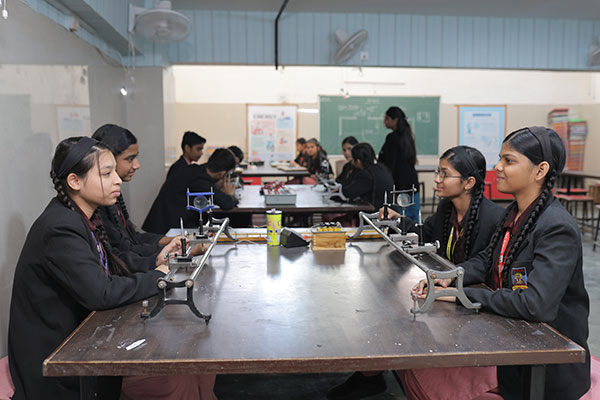
Assessment can include classwork checks, worksheets, notebooks, speaking and presentation tasks, projects, practical work, unit tests, and term exams. When multiple formats are used, different strengths are recognised – and learning becomes more complete.
Exam preparation that builds confidence
- Regular practice: smaller, frequent tasks build fluency and reduce exam anxiety.
- Feedback loops: corrections and rework show improvement over time.
- Revision cycles: planned revision avoids panic-driven studying.
- Doubt clearing: students should feel safe asking questions early.
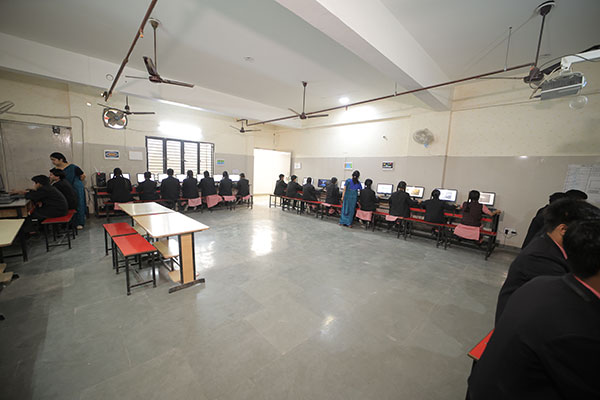
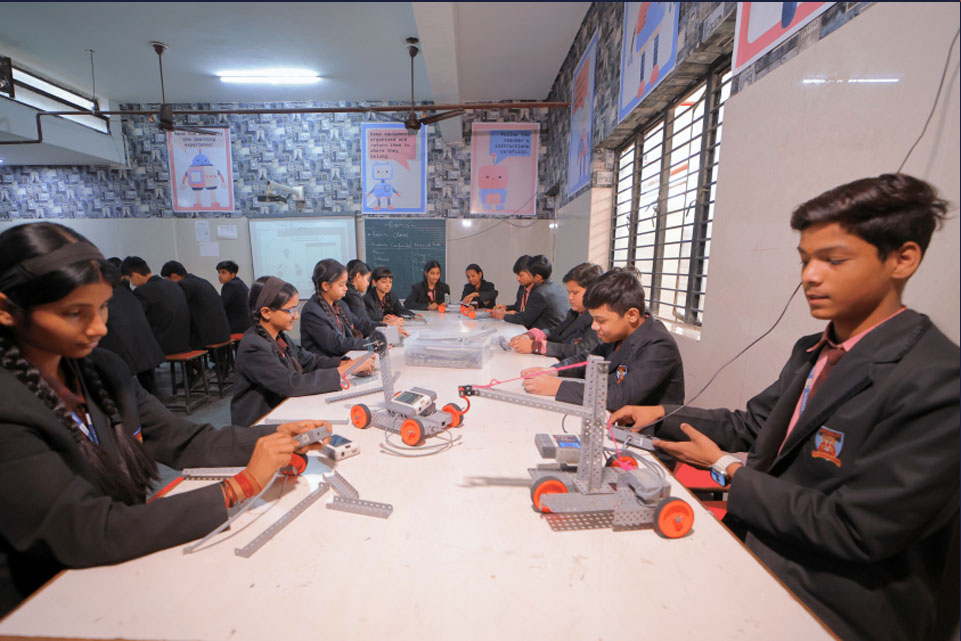
Board readiness (Classes 10 and 12 - where applicable)
Board success is built long before board year. When fundamentals are strong, students handle sample papers, time management, and application-style questions with confidence. Schools can support students with structured practice, review sessions, and guidance on exam strategy.
Wellbeing during exams (parent reassurance)
Exams are important, but health and confidence matter too. Encourage healthy sleep, balanced routines, and realistic expectations. Teachers can guide students to focus on effort and improvement, not only marks.
Faqs
Publish an academic calendar that shows assessment windows. Families plan best when dates are visible early and updated if anything changes.
Create a quiet routine, protect sleep, encourage short breaks, and ask children to explain answers aloud. Celebrate effort and steady progress.
Talk early with the class teacher, break study into small steps, and keep routines calm. Confidence grows when students feel prepared through consistent practice.
Marks are one indicator, not the whole child. Growth is also visible in habits: stronger writing, better explanations, improved discipline, and greater confidence.